Six O'Clock and Nothing to Rush: The Italian Aperitivo Hour and Why Dublin Needs It
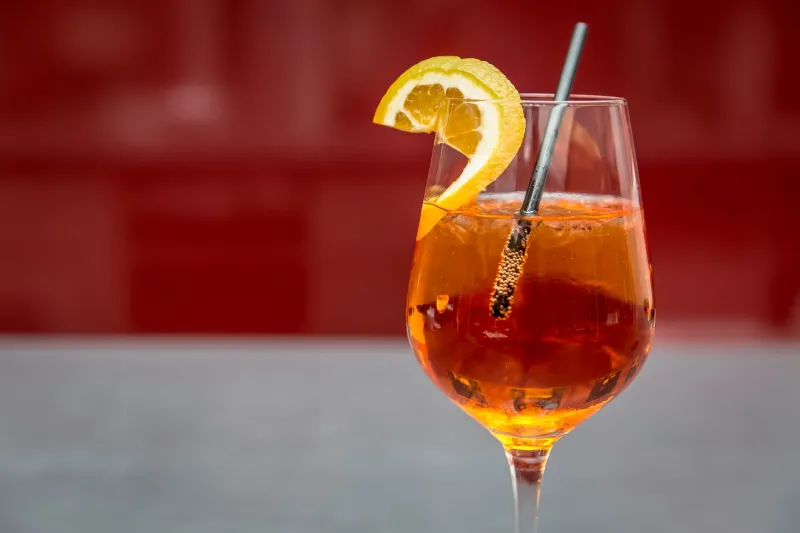
Somewhere between five and seven in the evening, Italy undergoes a quiet transformation. Offices empty, shutters are pulled, and a particular kind of unhurried energy settles over bars and piazzas from Milan to Palermo. Glasses of Campari Spritz appear on marble countertops. Small plates of olives, cured meats, and fried things materialise without being ordered. Conversations begin. Nobody, crucially, seems to be in a hurry.
This is aperitivo. And it is nothing like happy hour.
The Philosophy First, the Drink Second
British drinking culture — and this is said with genuine affection — tends to treat the pre-dinner drink as either a preamble to getting properly drunk or a perfunctory social obligation before the main event. The two-for-one Prosecco promotion. The pint grabbed standing up near the bar. The round of shots that nobody really wanted but someone ordered anyway. These things have their place, but they share almost nothing with what aperitivo actually is.
The Italian tradition is built on a specific philosophy: that the transition between work and leisure deserves to be marked, deliberately and pleasurably, and that the best way to do this is with a drink that opens the appetite rather than dulls it. The word aperitivo comes from the Latin aperire — to open. That's the entire point. You're not trying to get somewhere. You're creating the conditions for the evening to unfold properly.
This distinction matters enormously. A Negroni before dinner is designed to make you hungry, to stimulate the digestive system, to sharpen your senses rather than blur them. A Spritz with Aperol is low in alcohol, gently bitter, and specifically calibrated not to overwhelm. The Italians thought about this carefully, and the thinking shows.
What You're Actually Drinking
The aperitivo canon is broader than the Instagram-friendly Spritz might suggest, though there's nothing wrong with a well-made Spritz — when it's made well.
The classics are worth knowing. Campari Soda is perhaps the most uncompromisingly Italian of the lot: bitter, red, and entirely unapologetic about being an acquired taste. Aperol Spritz has become the international face of the tradition, for better or worse — three parts Prosecco, two parts Aperol, one part soda, a slice of orange, served over ice in a large wine glass. Done properly, it's a genuinely lovely drink. Done badly, it's just sweet fizzy wine with a garnish.
Beyond the obvious choices: Campari Spritz, which swaps the sweeter Aperol for its more austere cousin and rewards the effort; Negroni, equal parts gin, Campari, and sweet vermouth, stirred over ice — technically more of a cocktail than a true aperitivo but so deeply embedded in the tradition that nobody minds; and Vermouth on the rocks, which is criminally underappreciated outside of Italy and which pairs magnificently with almost anything salty.
The food that accompanies these drinks — the stuzzichini — is not an afterthought. Marinated olives, bruschetta, thin slices of mortadella or prosciutto, fried sage leaves, a few cubes of good Parmigiano. The point is to eat just enough to ensure the alcohol lands gently and the appetite is teased rather than satisfied.
Why the Timing Is Everything
One of the things that makes aperitivo genuinely different from pub culture is the relationship it has with time. Happy hour exists to fill a dead zone in the evening and to shift stock. Aperitivo exists because Italians have a different relationship with the hours between six and eight.
In Italy, dinner doesn't happen at half six. It happens at eight, sometimes later. The aperitivo hour isn't killing time — it's filling a deliberate gap in the evening's structure with something pleasant. The conversation is unhurried because there's nowhere to be yet. The drinks are measured because dinner is still coming. The food is light because the real eating hasn't started.
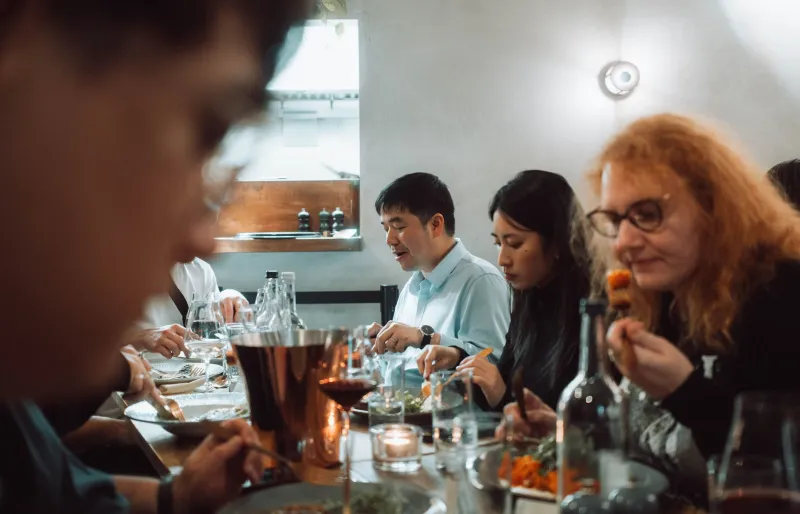
This rhythm creates something that's surprisingly hard to replicate with a different approach: genuine relaxation. Not the forced jollity of a work drinks event, not the purposeful efficiency of a quick pint before getting home. Just the particular pleasure of sitting somewhere comfortable with a good drink and a small plate of something delicious, with the best part of the evening still ahead of you.
What This Looks Like at Il Baccarò
Dublin has changed considerably over the past decade. The city's relationship with food and drink has matured in ways that would have been hard to predict, and there's a real appetite — if you'll forgive the pun — for something more considered than the traditional Irish approach to early-evening socialising.
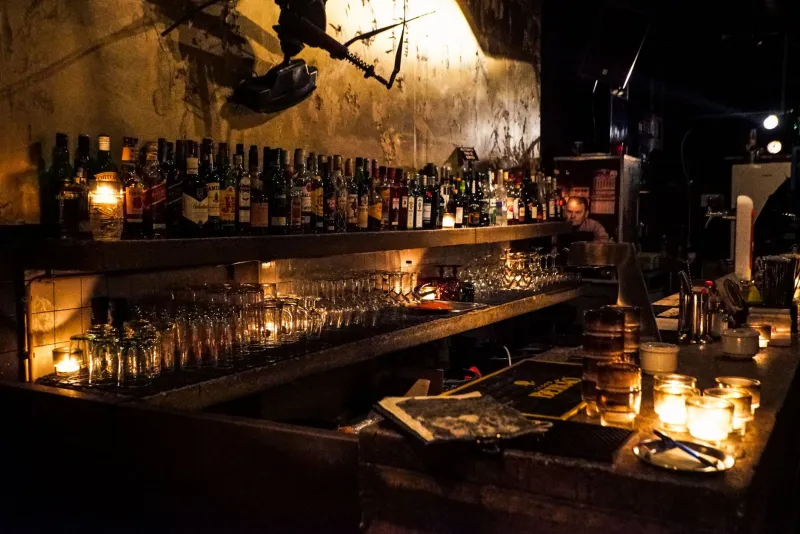
At Il Baccarò, aperitivo isn't a promotion or a gimmick. It's a genuine attempt to bring this particular Italian sensibility to Dublin's evenings. The bar is set up for it: the wines are chosen with the aperitivo function in mind, the small plates are calibrated to open the appetite rather than close it, and the atmosphere is deliberately designed to encourage the kind of unhurried conversation that this hour deserves.
If you come in at six and find yourself still there at eight, slightly hungry and very much looking forward to dinner, we'll consider that a success. That's exactly how it's supposed to feel.
A Small Suggestion
Next time you're planning an evening out in Dublin — whether it's dinner with friends, a date, or simply the end of a long working week — try arriving somewhere an hour before you'd normally sit down to eat. Order something bitter and something small to nibble on. Put your phone away. Let the conversation find its own pace.
The Italians have been doing this for generations. They're not wrong.