Roots, Recipes and the Road to Dublin: How Italian Families Shaped the City's Food Story
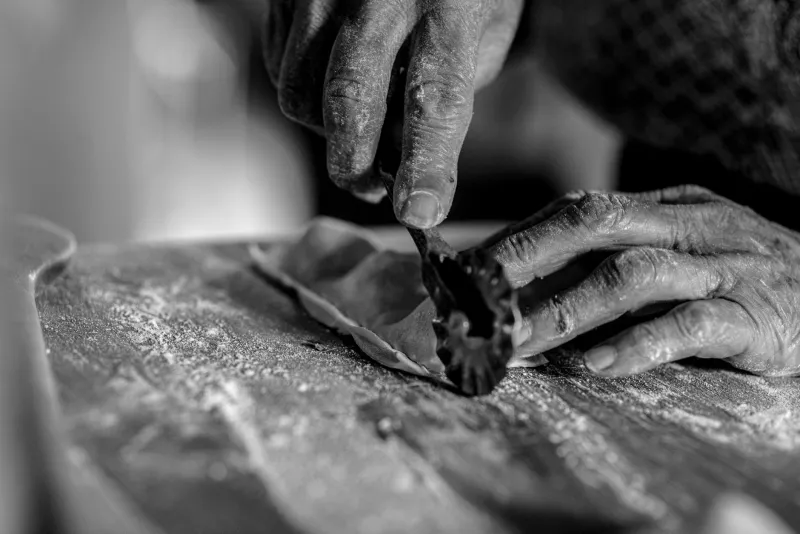
There's a particular kind of stubbornness that runs through Italian cooking. It's not arrogance — it's more like a deep, almost genetic conviction that the way your grandmother made ragù is simply the correct way, and that no amount of distance, hardship or unfamiliar climate should change that. It's this stubbornness, more than any single ingredient or technique, that carried Italian food culture across the sea to Ireland.
The story of Italians in Ireland is older and richer than most people realise. It didn't begin with the restaurant boom of the 1990s or the wave of EU freedom of movement that followed. It stretches back generations, to families who arrived with very little except a willingness to work and an instinct to feed people.
The First Arrivals: Gelato, Graft and Getting On
The earliest wave of Italian migration to Ireland began in the late nineteenth and early twentieth centuries, largely from rural regions in the south — Campania, Calabria, and the mountainous villages of Lazio. These weren't wealthy merchants or restaurateurs. Many were contadini, farming folk, who had heard that Ireland's towns needed tradespeople and that a man with a good recipe and a willingness to graft could build something.
What they built, in many cases, was an ice cream cart. The Italian ice cream trade became so thoroughly embedded in Irish culture that by the mid-twentieth century, families like the Caffollas, Borza, and Macaris had become household names from Dublin to Cork. These weren't just businesses — they were the first real introduction most Irish people had to Italian flavour, to the idea that food could be something more than fuel.
Behind the counters of those chip shops and ice cream parlours, however, something else was happening. Families were cooking for themselves in ways that had nothing to do with what they sold to the public. Sunday lunches stretched across entire afternoons. Pasta was made by hand on kitchen tables. Tomatoes were preserved in late summer against the long Irish winter. The food they made at home was a private act of cultural preservation — and it planted seeds that would eventually grow into something far more visible.
The Ingredient Problem
Ask anyone from an Italian family who settled in Ireland before the 1980s about cooking, and the conversation will almost inevitably turn to ingredients — specifically, the lack of them.
Proper durum wheat pasta was hard to come by. Decent olive oil was a luxury. Fresh basil was virtually nonexistent outside of summer, and even then you had to grow it yourself. Mozzarella, Parmigiano Reggiano, cured meats — these things existed in theory, but sourcing them in Dublin required either expensive imports, creative substitution, or relatives who were willing to stuff a suitcase with contraband salumi on their way back from Napoli.
And yet, the cooking continued. Recipes were adapted without being abandoned. Irish butter stood in where good olive oil wasn't available. Cheddar, believe it or not, occasionally found its way into dishes that would have horrified a nonna back home — but the structure of the meal, the rhythm of the table, the insistence on sitting down together and eating properly, remained entirely Italian.
This is the part of the story that deserves more credit. The preservation of Italian food culture in Ireland wasn't effortless or automatic. It required deliberate, daily effort from people who had every reason to simply give up and assimilate.
When Dublin Started to Listen
By the time Ireland began to open up economically in the late 1980s and through the Celtic Tiger years of the 1990s, something interesting happened. The groundwork laid by those earlier immigrant families — the quiet education in flavour, the familiarity with Italian names and dishes — meant that Dublin was more ready for authentic Italian food than anyone had planned.
Restaurants that took the cuisine seriously found receptive audiences. Not just among tourists, but among Dubliners who had grown up eating at Italian family tables, or who remembered the particular pleasure of a properly made gelato on a summer afternoon in Bray.
The city's relationship with Italian food became something genuinely reciprocal. Irish dairy — some of the finest in Europe — turned out to be extraordinary for making fresh pasta and creamy risotti. Irish seafood, particularly from the west coast, found natural partners in simple Italian preparations. The two food cultures, it turned out, had more in common than either would have predicted: a respect for seasonal produce, a love of communal eating, and a deep suspicion of anything that felt unnecessarily complicated.
What Authentic Actually Means
The word 'authentic' gets thrown around a great deal in food writing, often as a kind of shorthand for 'expensive' or 'imported'. But the real lesson of the Italian experience in Ireland is that authenticity is less about ingredients and more about intention.
The families who kept their food traditions alive in Dublin weren't doing so because they had access to the best San Marzano tomatoes. They were doing it because the act of cooking and eating together was how they understood themselves, how they maintained connection to a home they'd left behind, and how they expressed love to the people around them.
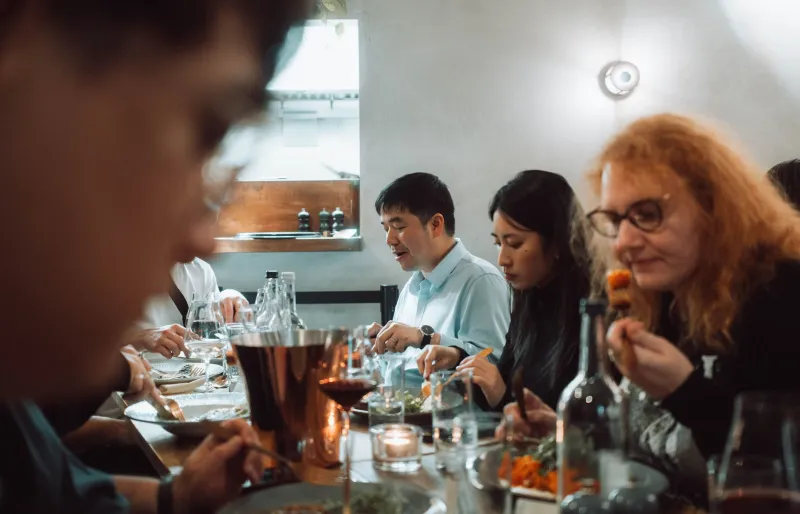
At Il Baccarò, that's the tradition we feel most connected to — not the Instagram version of Italian food, but the quieter, more stubborn version. The one that survived a cold climate, an unfamiliar culture, and decades of ingredient shortages without ever losing its essential character.
The Irish-Italian table is a real thing. It was built slowly, by real people, in real kitchens. And it's still being built today.