Sipping Through the Centuries: How Italian Wine Found Its Dublin Soul
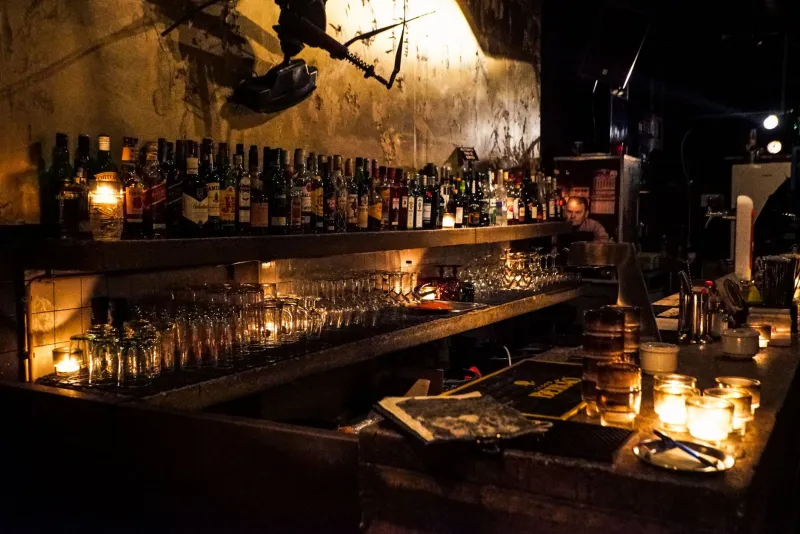
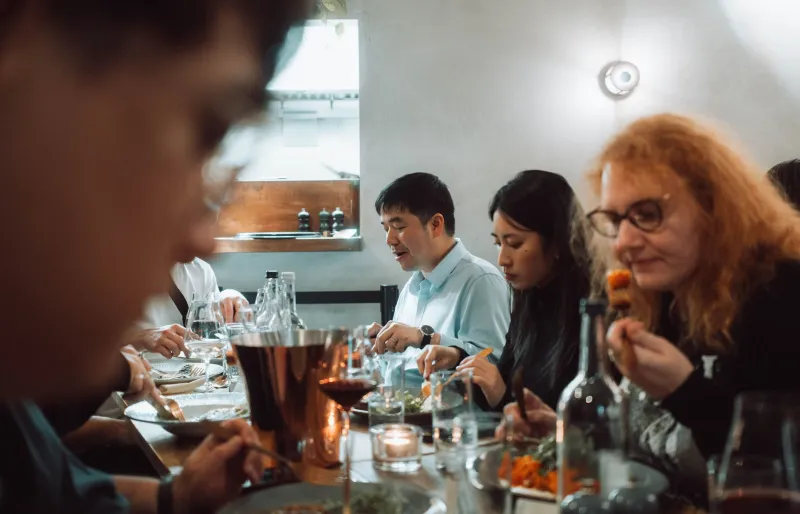
There's a moment, somewhere around your second glass of Ribolla Gialla, when Dublin stops feeling like Dublin. The candlelight does something to the stone walls. The conversation softens. And for a fleeting second, you could almost be in a bacaro tucked behind the Rialto, the faint sound of canal water lapping somewhere just beyond the door.
That feeling — elusive, unhurried, genuinely Italian — didn't arrive in Dublin by accident. It was cultivated, over two decades, by a quiet network of sommeliers, restaurateurs, and passionate importers who believed that Irish drinkers deserved more than the same Pinot Grigio and Chianti that had come to define 'Italian wine' in the British imagination.
The Long Road from Venice to the Liffey
Cast your mind back to the early 2000s. Dublin was in the full flush of the Celtic Tiger, money was moving, and restaurant culture was evolving at pace. Italian restaurants were everywhere, but the wine lists told a conservative story — safe Soave, reliable Barolo, the occasional Amarone for a special occasion. Perfectly drinkable. Rarely revelatory.
What changed things wasn't a single moment but a gradual accumulation of influences. A generation of Irish sommeliers began travelling — to Friuli, to Campania, to Sicily — and returning with bottles that bore no resemblance to what their customers expected. Skin-contact whites from small Slovenian-border producers. Orange wines that tasted of dried apricots and beeswax. Volcanic reds from the slopes of Mount Etna that had never seen the inside of a supermarket.
"We were bringing in wines that even most Italians hadn't heard of," recalls one Dublin-based wine buyer who has spent the better part of fifteen years sourcing from independent Italian producers. "And somehow, Irish customers just got it. They were curious. They weren't attached to the idea that Italian wine had to taste a certain way."
Why Dublin Before London?
It's a question worth sitting with. Why did natural Italian wines and obscure regional producers find their footing in Dublin before gaining real traction across the water in Britain?
Part of the answer lies in scale. Dublin's dining scene, while vibrant, is compact enough that word travels fast. A single passionate sommelier can shift the conversation in a way that would be impossible in London, where trends require enormous critical mass before they register. One restaurant putting Fiano di Avellino on the list by the glass can genuinely change what people talk about at dinner parties.
There's also something in the Irish relationship with conviviality itself. Drinking in Ireland has always been social in a particular way — less about performance, more about connection. When natural wines arrived with their idiosyncratic labels, their funky edges, their stories of small-scale farming and minimal intervention, Irish drinkers responded not with suspicion but with genuine curiosity. The wines had personality. That counted for something.
"The Irish aren't intimidated by wine the way some British drinkers can be," observes one Temple Bar restaurateur who has built her list almost entirely around Italian producers working outside the mainstream. "They don't feel they need to already know the answer. They're happy to ask questions, to be surprised."
The Varietals That Changed the Game
Ask Dublin's wine community which Italian grapes opened the door, and a few names come up again and again.
Vermentino — particularly from Sardinia — arrived early and quietly, offering something the Pinot Grigio crowd didn't know they were missing: texture, a saline mineral edge, and genuine character without demanding too much of the drinker. It was a gateway grape in the best sense.
Nero d'Avola played a similar role on the red side, offering Sicilian depth and warmth at a price point that made it genuinely accessible. But it was the discovery of Nerello Mascalese — Etna's great indigenous red variety — that really signalled a shift in ambition. Complex, translucent, with an earthy elegance that drew inevitable comparisons to Burgundy, it attracted serious wine drinkers who hadn't previously looked south of Tuscany.
And then there are the wines that remain genuinely rare even now: Timorasso from Piedmont, a white grape of extraordinary longevity that was nearly extinct before a handful of producers rescued it. Pecorino from the Abruzzo, nothing to do with the cheese, offering aromatic lift and a stony dryness that pairs brilliantly with seafood. Gaglioppo from Calabria, producing wines of ancient character that taste like they've absorbed centuries of Mediterranean sun.
These aren't wines you'll find easily in a British supermarket. In Dublin, you can order them by the glass.
The Natural Wine Turn
Around 2015, the natural wine movement — already well established in Paris and beginning to make noise in London — found particularly fertile ground in Dublin. A new wave of wine bars and Italian-influenced restaurants began building lists that prioritised certified organic and biodynamic producers, minimal sulphur additions, and what the trade calls 'low-intervention' winemaking.
The bacaro tradition fed directly into this. The original Venetian bacari — those small, standing-room-only wine bars that have existed in the city's calli for centuries — were never about prestige labels or investment-grade bottles. They were about honest wine, made by people who knew their land, served without ceremony to anyone who walked through the door. That democratic, unpretentious spirit mapped perfectly onto what natural wine was trying to reclaim.
At Il Baccarò, that philosophy has always felt like the natural starting point rather than a considered positioning exercise. The list leans toward producers who farm with genuine care, who work with indigenous varieties, and who make wines that taste like somewhere specific rather than something generic. It's not a manifesto. It's just a preference for things with a story.
What Britain Can Learn From Dublin's Wine Scene
For British readers planning a visit — or simply looking to understand why Dublin's Italian restaurants punch so consistently above their weight — the lesson is perhaps this: the best wine culture isn't built on expertise or status. It's built on curiosity and trust.
Dublin's sommeliers trusted their customers to be interested. Their customers rewarded that trust by actually becoming interested. The result, twenty-odd years on, is a city where you can sit down in a candlelit room, order a glass of something you've never heard of from a hillside you couldn't point to on a map, and feel completely at home.
Venice would recognise the feeling. It invented it, after all.