The Meal That Starts When the Plates Are Cleared
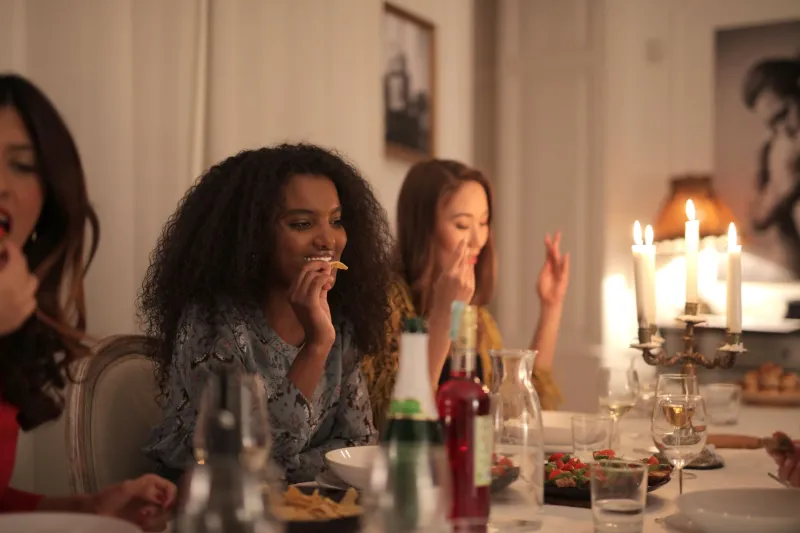
There's a moment in every proper Italian dinner that doesn't appear on any menu. The plates are empty. The waiter hasn't appeared with the bill. Nobody has reached for their coat. Instead, the table settles into something warmer and slower — a second sitting of sorts, one made entirely of conversation.
Italians have a name for the unofficial fifth course, even if it never gets printed anywhere: it's the bit after, the dopo cena, when the meal stops being about food and starts being about the people around you.
Fare la Scarpetta: The Gesture That Says Stay
Let's start with the bread. In Italy, mopping the last of the sauce from your plate with a hunk of bread — fare la scarpetta, literally 'making the little shoe' — isn't bad manners. It's a compliment. It tells the cook that the sauce was too good to leave behind, that not a drop of their work deserves the washing-up bowl.
There's something disarming about it. It's a small, slightly messy act that strips away any pretence at the table. You can't be precious about dining when you're dragging bread through the last of a ragù. And once you've done it, something shifts: the formal part of the evening is over, and the honest part begins.
The Two-Sitting Problem
Anyone who eats out in Britain regularly will recognise the rhythm of the two-sitting model. You're seated at seven, the dessert menu appears before you've finished your main, and by ten past nine there's a gentle but unmistakable pressure to vacate. The table has been sold twice tonight, and you are sitting on the second half of the transaction.
It's not the staff's fault — it's economics. But it has quietly rewired how we think about a meal out. Dinner became something you complete rather than something you inhabit. The bill arrives like a full stop.
Italian dining runs on a different clock. The table isn't a unit of revenue; it's a room in someone's home for the evening. Nobody hovers. Nobody re-lays the cutlery while you're still deciding. The coffee comes slowly because the coffee is meant to come slowly.
What We Protect at Il Baccarò
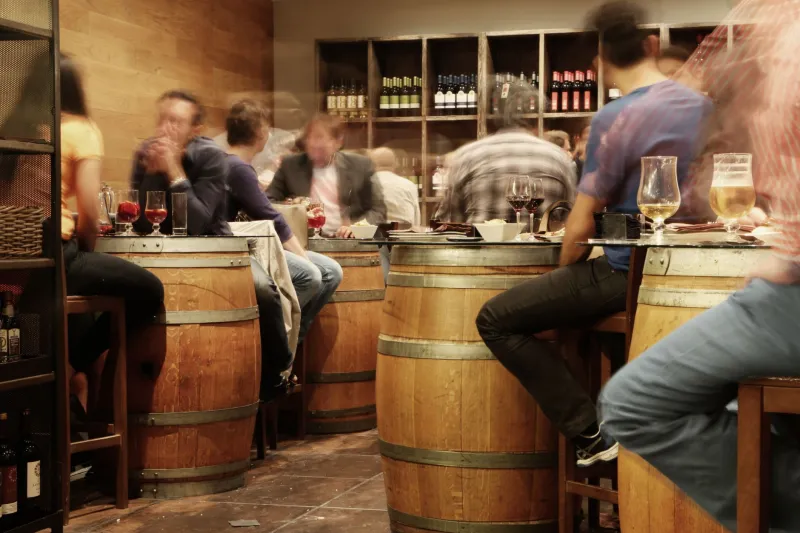
When we opened our doors in Dublin, one of the first decisions we made was that we would never chase guests out of their seats. Yes, that means turning away a booking some nights. Yes, it means the till rings a little less often than it might. But the whole point of the place falls apart if you're watching the clock.
Some of the best conversations we've ever witnessed have happened at 10.45pm, long after the last plates went back to the kitchen. A couple who arrived as strangers to the people beside them and left with plans for Sunday. A birthday that turned into three hours of toasting. A quiet solo pint of nothing at all, just someone not quite ready to go home.
That's the fifth course. It's not on the bill, and it never will be.
How to Linger Properly
If you've fallen out of the habit of the long table, here's how to get it back:
- Order the coffee you don't need. The after-dinner espresso is a signal — to the staff and to yourself — that you're staying a while.
- Leave the bread for the end. Save a piece for the scarpetta. It gives the meal a final punctuation mark.
- Don't book anything after dinner. A meal with a hard stop isn't a meal; it's an appointment.
- Ask the table a question nobody's answered before. Lingering needs fuel, and the best fuel is a story you haven't heard yet.
The food matters enormously, of course. But ask any Italian nonna what makes a dinner good and they won't mention the pasta first. They'll mention how long everyone stayed.
The best part of the meal begins after you've finished eating. All you have to do is not leave.