Bread, Beans and Brilliance: The Italian Dishes Born From an Empty Larder
Every food culture has its glories, but Italy is unusual in this: many of the dishes the world now pays good money for were invented by people who had almost nothing in the house. Not as a creative exercise. Out of necessity.
Cucina povera — 'poor kitchen' — is the umbrella term, and it's having a moment. With British grocery bills still stinging, there's a certain comfort in discovering that the most satisfying pot of food you'll eat all winter costs about £1.50 a serving and was perfected generations ago by someone's grandmother stretching a cupboard to feed a family of six.
Five Classics That Started as Scraps
1. Ribollita (Tuscany). The name means 'reboiled', which tells you everything. Day-old bread, leftover minestrone, whatever beans and cabbage were hanging about — boiled again the next day until it thickened into something far better than the original. The leftovers were the point.
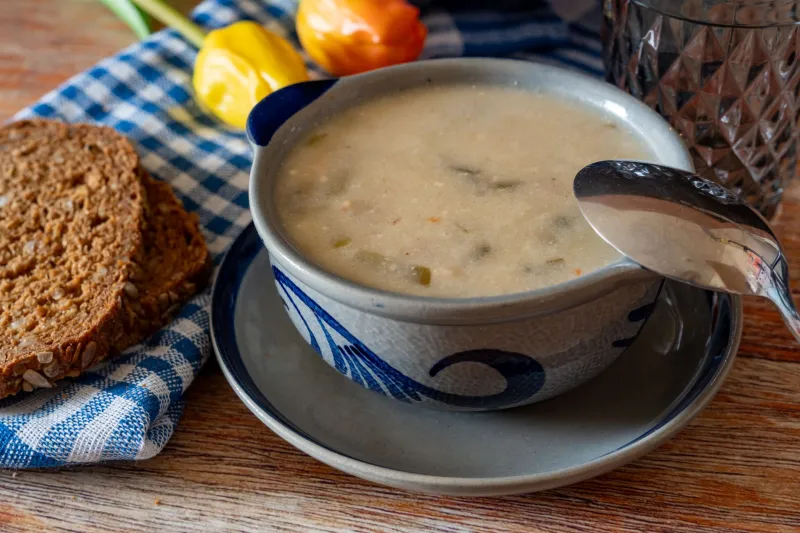
2. Pasta e fagioli (everywhere). Pasta and beans. That's it. But cook the beans until they collapse into their own broth, finish with good olive oil, and you have a dish that's somehow both peasant food and a religious experience.
3. Panzanella (Tuscany). A salad built on stale bread, revived with tomatoes, vinegar and oil. Someone looked at rock-hard bread destined for the bin and saw lunch.
4. Polenta e ciccioli (Lombardy). Maize porridge set solid, then topped with the crisped scraps of pork fat left over from curing. Nothing wasted, everything rendered.
5. Ossobuco's lesser cousin, stinco e brodo — or more honestly, brodo itself. A bone, water, a carrot past its best, some celery tops. Simmered patiently, it becomes the base of half the Italian canon. The humblest pot in the kitchen is the most important one.
Notice the pattern: stale bread, old beans, bones, scraps. The Italian genius wasn't inventing recipes — it was refusing to see anything as rubbish.
Why This Speaks to the British Kitchen Right Now
There's a reason these dishes resonate on this side of the Irish Sea. Britain has its own frugal traditions — bread and dripping, bubble and squeak, the Sunday roast's week-long afterlife — but somewhere along the way we started treating leftovers with suspicion rather than respect.
The average UK household bins a startling amount of edible food every year. Meanwhile, a bag of dried cannellini beans costs about £2 and holds the potential for three dinners.
Cucina Povera for Your Weekly Shop
Want to run your kitchen the way a Tuscan nonna would? A few habits to steal:
- Buy dried beans instead of tins. Cheaper per portion, better texture, and they keep for ages. Soak overnight; the effort is mostly patience.
- Keep a 'stock bag' in the freezer. Onion ends, carrot peelings, celery leaves, Parmesan rinds (yes, really — they make broth extraordinary). When the bag is full, make stock.
- Embrace the second-day meal. Cook soups and ragùs deliberately too big. The reboiled version is often the better one — the ribollita principle.
- Stale bread is an ingredient, not a loss. Panzanella, pangrattato, breadcrumbs for the freezer, or torn into soup to thicken it.
- Let one cheap ingredient carry the week. A single roast chicken becomes sandwiches, a soup, a stock. The Italians would recognise the approach instantly.
Frugality Isn't the Point — Respect Is
Here's the thing about cucina povera: nobody cooked that way because they loved thrift. They cooked that way because wasting food was unthinkable, and because feeding people well was a matter of pride regardless of budget.
That's the real lesson hiding in the pot of pasta e fagioli. Not 'save money' — though you will. It's that good food is a matter of attention, not expense. A pot of beans, cooked slowly and finished with oil you actually like, will beat a £30 restaurant plate made carelessly.
The empty larder taught Italy everything it knows about flavour. It might be worth listening.