Why Britons Are Crossing the Irish Sea Just to Sit at an Italian Table
There's a particular kind of hunger that a weekend city break is supposed to satisfy. You want somewhere different — different light, different pace, different food. For a growing number of British travellers, Dublin has become the answer. Not just for the pubs or the literary history or the wild Atlantic coastline a short drive west, but for something arguably more surprising: the Italian table.
Yes, really. The Irish capital has quietly developed one of the most compelling Italian dining scenes outside of Italy itself — and people from London, Manchester, Edinburgh, and Bristol are noticing.
What They're Coming For (and What They're Leaving Behind)
Spend an evening at Il Baccarò and you'll overhear a fair few English accents. Some are expats who've made Dublin home. Others are weekend visitors, often on their second or third trip, who've made a reservation here before they've booked their hotel.
Sarah, a marketing director from Bristol who visits Dublin every few months, puts it plainly: "I love Italian food at home, but there's always something slightly performative about it in the UK. It's either a big occasion or it's a chain pretending to be rustic. In Dublin, I've found places where it just feels... normal. Lived in. Like someone's actually feeding you rather than serving you."
That distinction — between being served and being fed — comes up again and again. It speaks to something fundamental about Italian hospitality that certain corners of Dublin have managed to absorb and translate without losing its soul in the process.
The Bacaro Blueprint
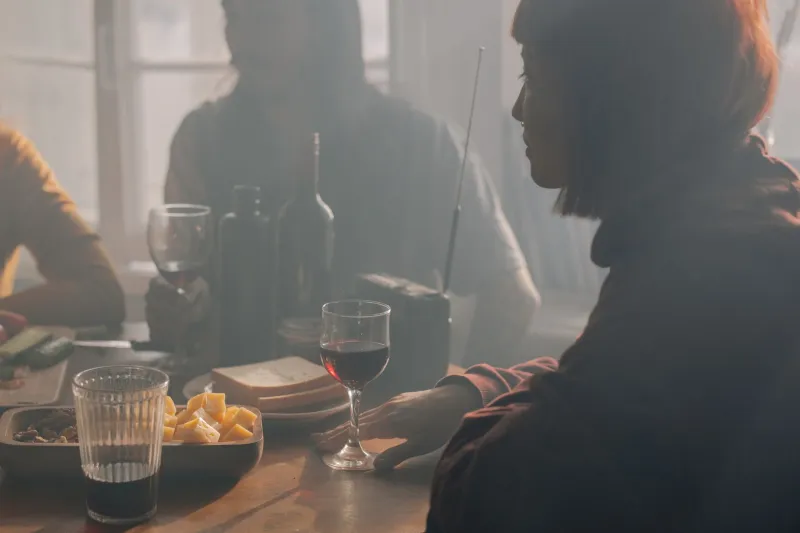
Much of what makes Dublin's Italian scene feel distinct traces back to the bacaro tradition — the Venetian neighbourhood wine bar where the wine is poured generously, the cicheti are stacked on the counter, and nobody is particularly concerned about turning your table in ninety minutes. It's a model built on lingering, on conversation, on the idea that a good evening doesn't need a fixed end time.
This is, of course, almost the opposite of how most British high streets approach Italian dining. In the UK, Italian restaurants have often been positioned as either family-friendly and affordable (think red-and-white checked tablecloths, unlimited dough balls) or upscale and formal, with tasting menus and wine pairings that require a spreadsheet to navigate. The middle ground — the genuinely casual, genuinely excellent neighbourhood spot — has been harder to find.
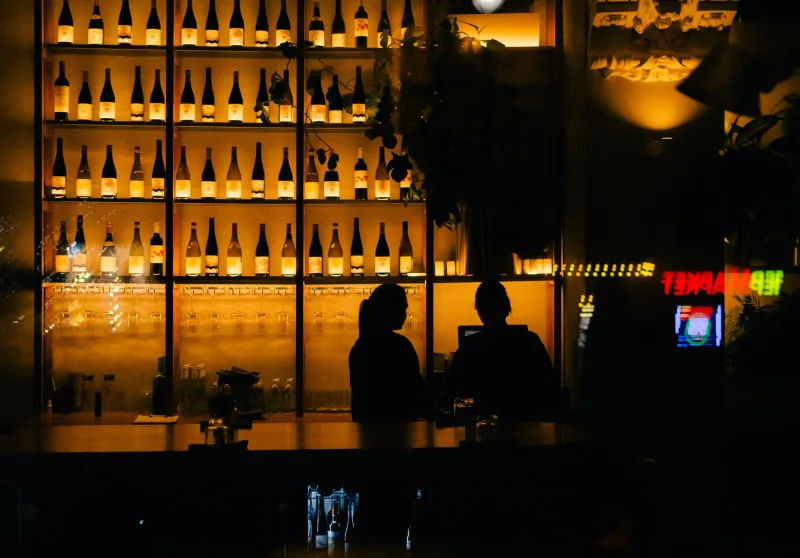
Dublin, perhaps because of its own strong pub culture of unhurried sociability, has taken to the bacaro model with real enthusiasm. The two traditions rhyme with each other. Both prize the counter, the crowd, the glass in hand, the sense that you're welcome to stay.
The Ingredient Question
British food culture has come an enormous distance in the last two decades. Farmers' markets, artisan producers, and a renewed interest in provenance have transformed what's available on the high street. And yet, sourcing genuinely excellent Italian ingredients — the right Sicilian olive oil, the properly aged Parmigiano, the prosciutto that's been cured with the correct obsessive patience — remains a challenge outside of specialist delis and well-connected restaurants.
Dublin's best Italian establishments have built strong supply lines, often working directly with small Italian producers or through importers who share their standards. The result is food that tastes like Italy not because it's trying to, but because the raw materials are doing what they're supposed to do.
Jamie, a food writer from Edinburgh who visited Il Baccarò last autumn, recalls a plate of burrata that stopped him mid-sentence: "I've had burrata in London, in Manchester, in Glasgow. I've had it in Rome. That plate in Dublin was as good as anything I've eaten. It wasn't doing anything clever. It was just perfect. The quality of the thing itself."
That's the point, of course. Italian cooking at its best is not about technique as spectacle. It's about trusting extraordinary ingredients to speak for themselves.
The Warmth Factor
There's a social dimension to all of this that's harder to quantify but impossible to ignore. Italian hospitality — the genuine article — is rooted in a belief that looking after someone at your table is a form of love. It's not a transaction. It's not a service standard. It's a disposition.
Dublin, as a city, has a warmth to it that makes this philosophy land naturally. The Irish tradition of generosity to guests — of making strangers feel instantly included — maps onto Italian hosting instincts in a way that feels organic rather than calculated. When both cultures are working in harmony in the same room, it produces an atmosphere that's genuinely hard to replicate.
British visitors often describe a slight disorientation at first. "I kept waiting for something to go wrong," admits Rachel, a teacher from Manchester who visited with her partner last spring. "Like, I kept expecting someone to be cold, or the food to disappoint, or the bill to be a shock. None of those things happened. I left feeling looked after. Properly looked after. It's a strange thing to say about a restaurant, but there it is."
Dublin as a Food Tourism Destination
The numbers back up what anecdote suggests. Dublin has seen a notable uptick in visitors from mainland Britain who cite food as a primary motivation for their trip — a shift from the traditional pull of literary tourism or music culture. Italian restaurants, wine bars, and delis feature prominently in travel guides and social media recommendations aimed at UK audiences.
For those in the industry, this is welcome but not entirely surprising. Dublin has invested seriously in its food culture over the past decade. The city's Italian community — long established, deeply embedded — has been central to that shift, bringing not just recipes but a whole philosophy of how to eat, drink, and spend time together.
Why the Italian Table Endures
At the heart of all of this is something simple but profound: the Italian table is designed for human beings. It's designed for the full version of an evening — conversation that wanders, wine that's refilled without being asked, food that arrives in its own time and rewards your patience.
In a world that's increasingly engineered for speed and efficiency, there's something almost radical about a dining culture that refuses to hurry. British visitors are finding that radicalism in Dublin, at Italian tables that have taken root in Irish soil and grown into something genuinely their own.
Come for the weekend. Stay for the cicheti. Linger over the wine. You'll understand soon enough why people keep coming back.